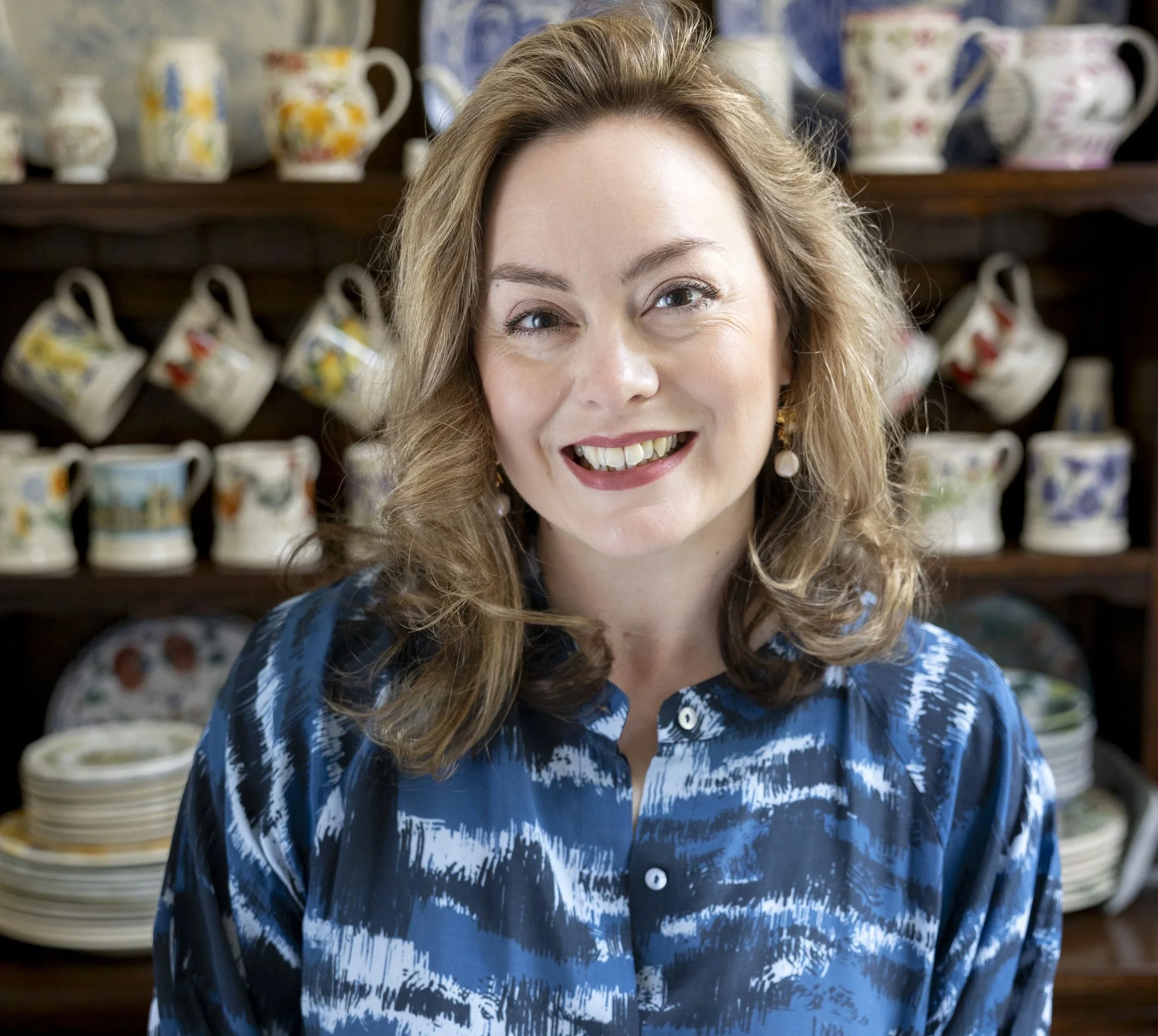
Vanessa and Her Sister by Priya Parmar
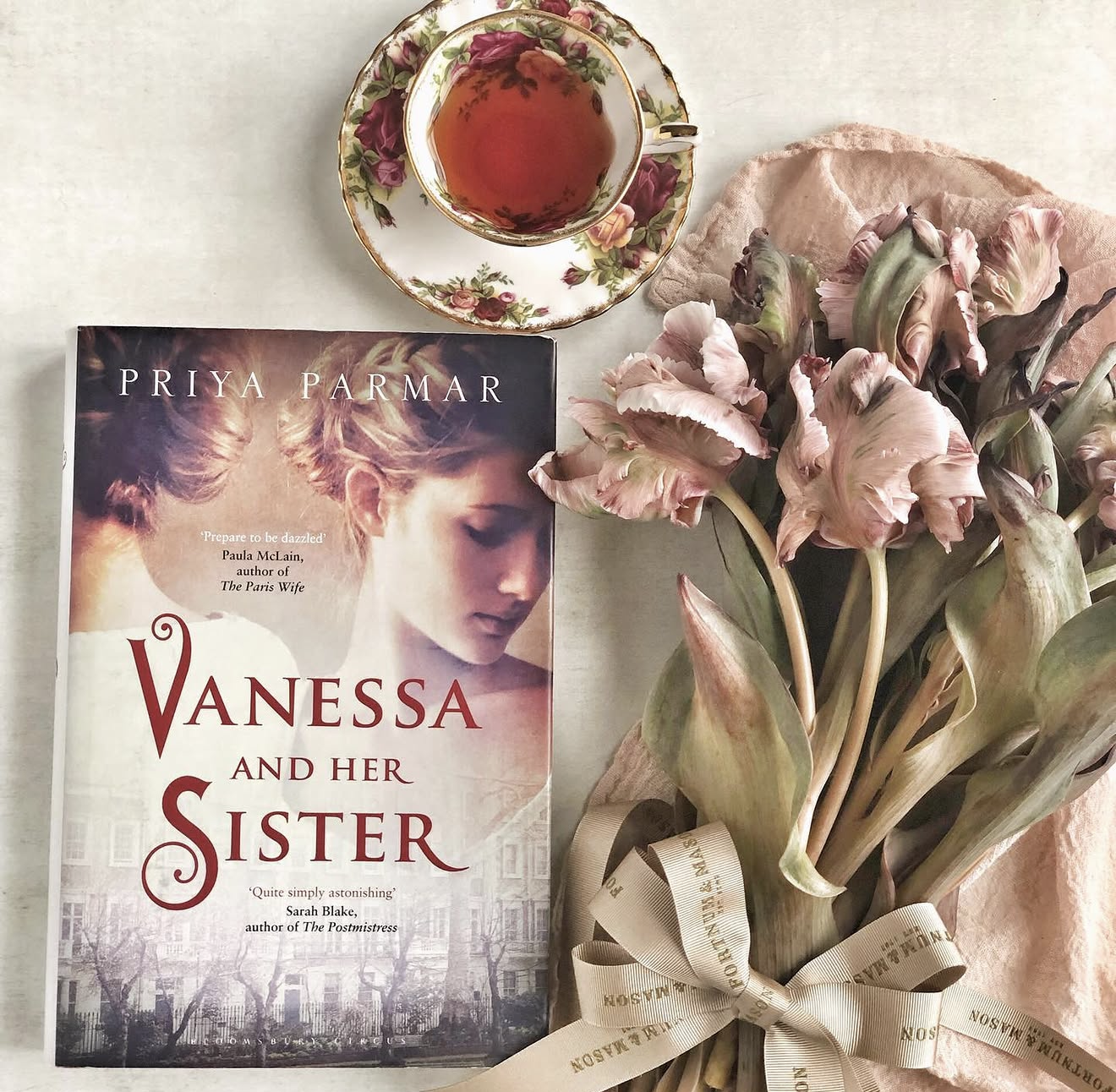
Described as a fictional account of the relationship between the famous sisters - Vanessa Bell and Virginia Woolf - I was instantly intrigued by Priya Parmar's latest book, Vanessa and Her Sister.
I've grown increasingly fascinated by the Bloomsbury Group in recent years, and a novel that promised a glimpse into their world appealed to me instantly. From the moment I started reading, I was gripped. Told in the form of imagined diary entries written by Vanessa Bell (nee Stephen) and letters from other members of the Bloomsbury Group, Priya Parmar instantly absorbs the reader into the unconventional life of the Stephen family.
Reminiscent of Mrs Dalloway, the novel opens with Vanessa planning a party: one of the evenings 'at home' that so shocked society by the (unchaperoned) inclusion of Thoby Stephen's brilliant Cambridge friends (amongst them Lytton Strachey, E.M. Forster, John Maynard Keynes and Clive Bell). It is Vanessa who is placed at the heart of this novel, and she is shown to be the anchor of her unconventional family, planning the practicalities of their life and wondering whether their guests would prefer whisky or wine.
Parmar writes with a subtlety and delicacy of expression that lends poetry to even the most prosaic, and the fully-fleshed out character of Vanessa quickly forms. In one of my favourite passages, Parmar perfectly captures the faint, underlying tension between the sisters:
Long ago Virginia decreed, in the way that Virginia decrees, that I was the painter and she the writer. 'You do not like words, Nessa,' she said. 'They are not your creative nest.' Or maybe it was orb? Or oeuf? My sister always describes me in rounded domestic hatching words. And invariably, I believe her. So, not a writer, I have run away from words like a child escaping a darkening wood, leaving my sharp burning sister in sole possession of the enchanted forest. But Virginia should not always be listened to.
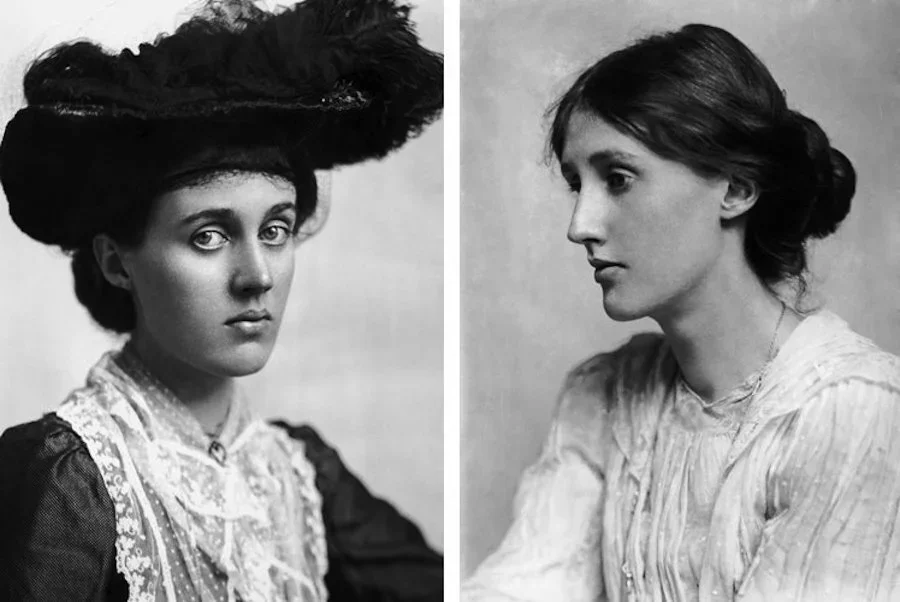
Vanessa Bell circa 1910 and Virginia Woolf in 1902. Photographs by George C. Beresford/Hulton Archive, via Getty Images.
This tension escalates when Virginia sets out to seduce Vanessa's husband, and this uncomfortable triangle is the focus of the novel. Vanessa, overcome with grief by her brother's death, agrees to marry Clive Bell ('now I will not have to go through the next terrible part alone'), but her first year of happy marriage is cut short when she gives birth to a son (Julian Bell) and Clive grows jealous of her divided attention and turns instead to her sister.
Virginia loves Vanessa to an obsessional degree, and is determined not to be left out of her sister's marriage. In some ways, what I found truly remarkable about the novel was that many of the most implausible events did in fact occur: Virginia did write to her friend about her brother Thoby returning to health after he had died; she conducted an affair with Clive Bell (although it us highly unlikely it was consummated) and Vanessa did lose her wedding ring just before embarking on an affair herself.
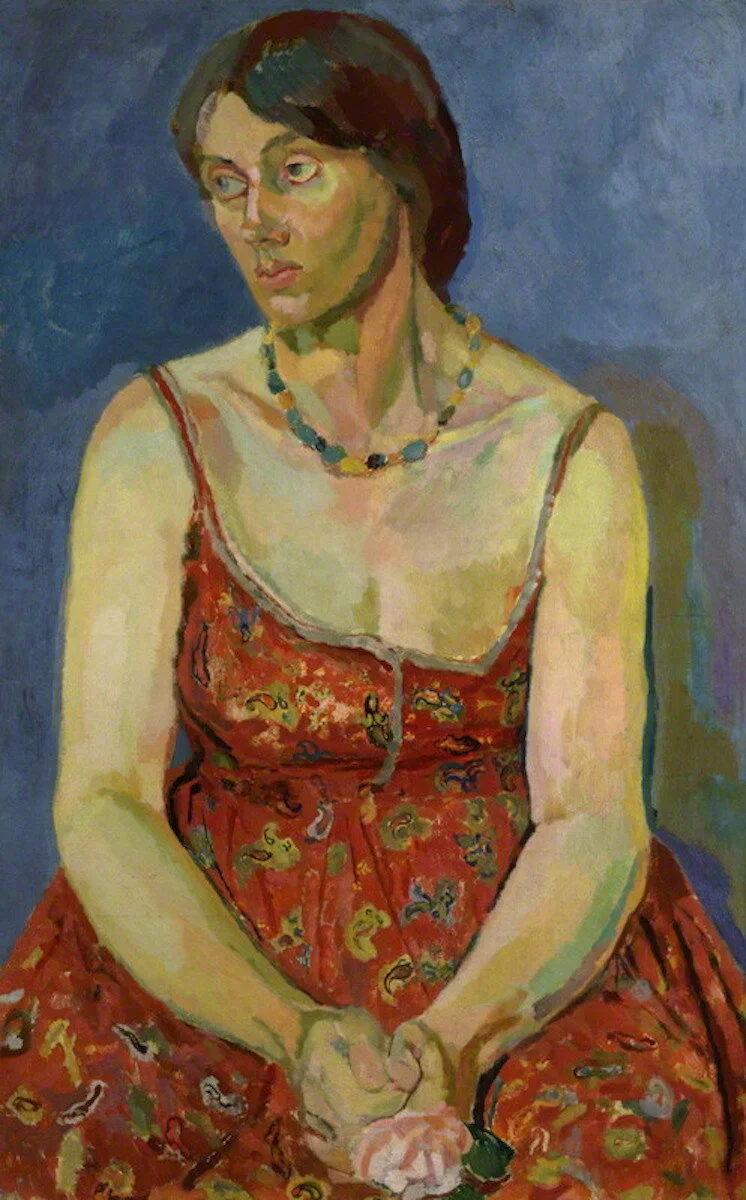
Portrait of Vanessa Bell by Duncan Grant, circa 1918.
At her Cambridge Literary Festival talk, Priya Parmar spoke of the importance of making her work historically accurate, and it is clear that an incredible amount of research went into writing Vanessa and Her Sister. At no point does the novel ring false: somehow, Parmar has managed to create a fictionalised Vanessa Bell who thinks and acts exactly in accord with the way real events took place.
I especially loved the imagined thought processes behind Vanessa's paintings and her thoughts on art, and I was surprised to discover that Parmar is not a painter herself, as her writing here shows an almost uncanny insight into the way an artist's mind would work.
Even if you aren't particularly interested in the Bloomsbury Group, I so recommend picking up a copy of this novel, which is so engaging that it's hard to put down.
Have any of you read Vanessa and Her Sister? What did you think of it? Did Vanessa's voice ring true for you?